







|
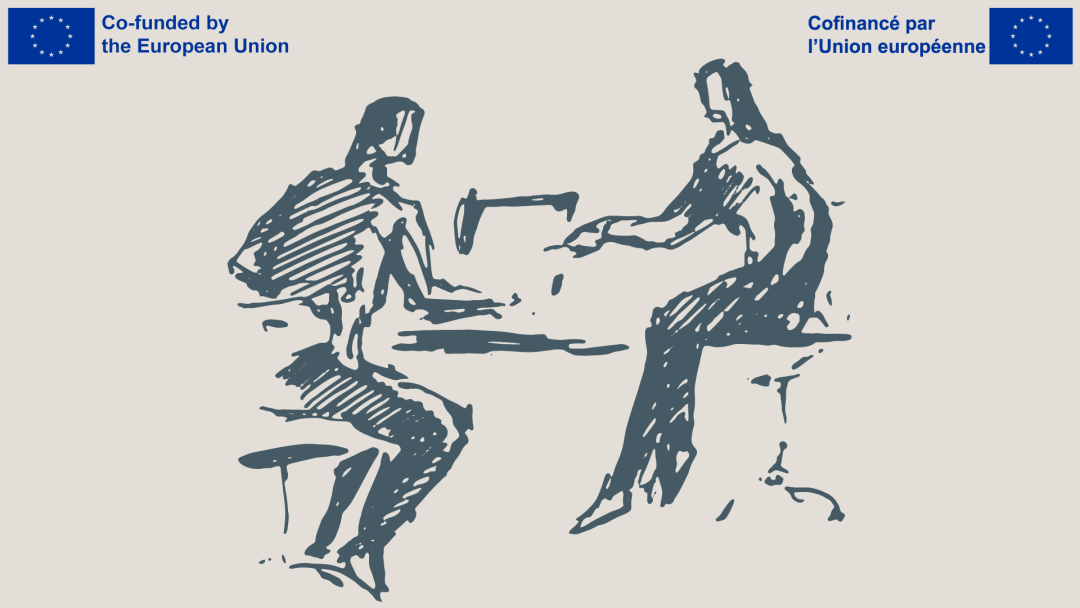
“I am from Austria,” I said. The question came during a conversation at work. We were talking casually about where we grew up, where our families lived and what languages we spoke at home. I expected the conversation to move on. Instead, the person smiled and asked: “Yes, but where are you really from?” For a moment, I did not know what to say. I was born here. I went to school here. I speak German, I have friends here and I have built my life here. Still, my own life story and lived experience did not seem to be enough.
The question suggested that, because of my name, my appearance, and my family history, I could not simply belong. This was not the first time this had happened to me. I have been asked similar questions at school, in shops, at parties and on public transport. Sometimes people said they were only curious. Sometimes they thought it was a compliment to say that I looked “exotic.” But when these moments happen again and again, they do not feel harmless. They create the feeling of always being seen as different, and as someone who do not own their life story and lived experience. Everyday racism is not always loud or intentional. It can often appear in these kind of questions, assumptions, jokes, comments that others consider insignificant.
Yet for racialised people, repeated experiences can bring tiredness, frustration and self-doubt. They can make a person feel like an outsider in the very place they call home. By claiming ownership of my life story and lived experience, I stop letting other people define who I am. So, challenging racism also means reflecting on our everyday language. Instead of asking someone where they are “really” from, we can pay attention and truly listen to the life story they choose to share. Belonging should not depend on a person’s skin colour, race, name, accent and/or family background. It should be recognised as something everyone has the right to claim. |


The content of terrampacis.org domain is controlled and managed by TERRAM PACIS based at Edvard Storms gate 2, 0166 Oslo. We value your privacy and the privacy of the information we collect from you when using our websites.
This privacy notice was updated on 10.02.2026. Therefore, if you decide to use our websites and the provided services, it implies that you agreed with this privacy notice. Otherwise, please do not use our websites and the provided services.
When we make new amendments to this privacy notice, the amended notice is posted hereon. Therefore, the continued use of our websites and provided services, implies that you agreed with the new amendments.
We particularly collect information from and about you when you: make a donation, register an account or register as a partner, and when you subscribe to our newsletter. To delete your own data, please go to Delete my account or unsubscribe from our newsletter.
We use cookies on this website. It is a piece of data stored on your hard drive to help us improve your access and your use of our websites' services. If you do not accept this, please do not use our websites and the provided services.
We use reasonable and up to date security methods to protect all the data we collect from you and held by us. However, on the Internet, we cannot guarantee information's absolute security.
Where reasonable we challenge any legal processes seeking access to any data collected from you and held by us. Though in some cases, we may be unable to resist such legal proceedings. In such events, you will immediately be notified.
This privacy notice outlines our information processing practices in relation to you and your personal data and applies when we collect and process personal data from you through our websites or mobile applications. As a user, you have the absolute rights on your personal data and you are free to ask us to update or delete your personal data at any time via info@terrampacis.org.
 Published on 04.09.2026 at 12:53