






|
For years, I believed that keeping quiet and trying to be invisible would make life easier. I learned to ignore racially prejudiced comments, like “you are not that dark” along with the racial, gender, and sex stereotypes that followed me through school, work, and public spaces. I always told myself that silence was maturity. In truth, it was often just exhausting. Like when I was asked whether I belonged in an advanced class; my intellect was always measured against the misconception about Black race. I was watched closely in shops, often mixed up with other Black girls. And the weight of all these was too heavy.
My intellect was seen as an exception; my confidence was read as aggression; both my appearance and body were judged, policed, and sexualised without my own permission; and my achievements and qualifications were questioned before they were examined. But instead of questioning what was happening around me when I was growing up, I questioned myself. Is there something wrong with me? Or am I being too sensitive? This self-doubt became a norm, it slowly changed the way I looked at my Blackness, and this is when things got worse. I would not speak to or be seen with other Black people in public. I avoided everything about the African diaspora.
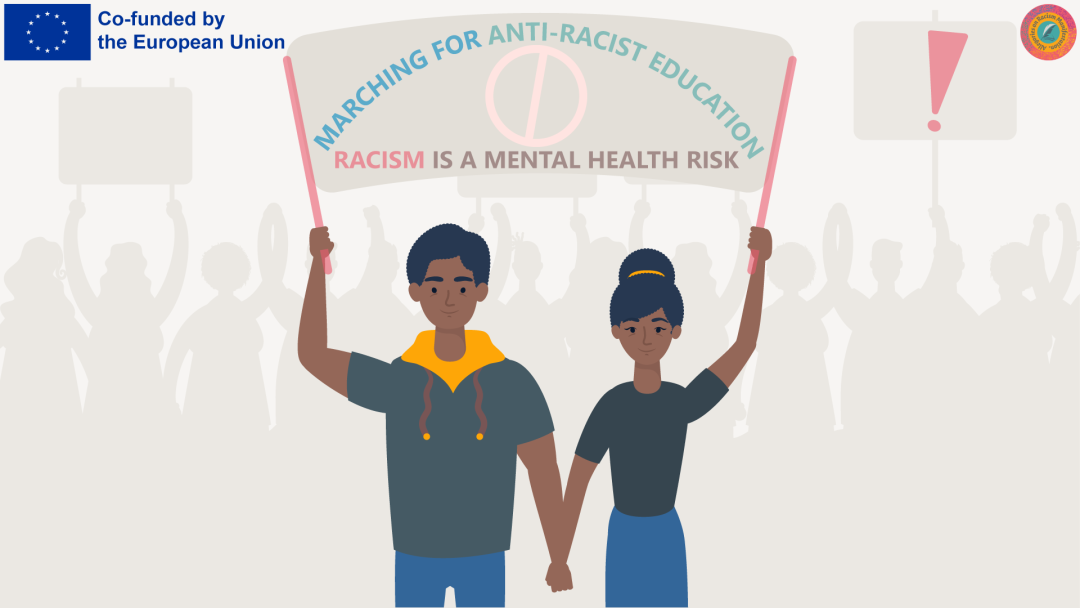
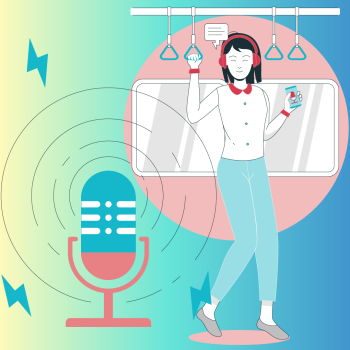
But in this self-created isolation, I stumbled on a podcast about social stressors that shape Black life and experience in a White dominated society. Surprisingly, hearing similar life stories and experiences to mine helped me understand that gendered racism is shaped by sexist and racist narratives that do not define me nor my own Blackness. I was empowered to understand that talking about racism does not divide or isolate Black people, it gives us a counter-narrative, resilience and connection. My silence, invisibility and isolation did not protect me from racism; they just exacerbated my racial trauma. But for sure, owning my life story can undo the effects of racism on my mental health. |


The content of terrampacis.org domain is controlled and managed by TERRAM PACIS based at Edvard Storms gate 2, 0166 Oslo. We value your privacy and the privacy of the information we collect from you when using our websites.
This privacy notice was updated on 10.02.2026. Therefore, if you decide to use our websites and the provided services, it implies that you agreed with this privacy notice. Otherwise, please do not use our websites and the provided services.
When we make new amendments to this privacy notice, the amended notice is posted hereon. Therefore, the continued use of our websites and provided services, implies that you agreed with the new amendments.
We particularly collect information from and about you when you: make a donation, register an account or register as a partner, and when you subscribe to our newsletter. To delete your own data, please go to Delete my account or unsubscribe from our newsletter.
We use cookies on this website. It is a piece of data stored on your hard drive to help us improve your access and your use of our websites' services. If you do not accept this, please do not use our websites and the provided services.
We use reasonable and up to date security methods to protect all the data we collect from you and held by us. However, on the Internet, we cannot guarantee information's absolute security.
Where reasonable we challenge any legal processes seeking access to any data collected from you and held by us. Though in some cases, we may be unable to resist such legal proceedings. In such events, you will immediately be notified.
This privacy notice outlines our information processing practices in relation to you and your personal data and applies when we collect and process personal data from you through our websites or mobile applications. As a user, you have the absolute rights on your personal data and you are free to ask us to update or delete your personal data at any time via info@terrampacis.org.

 Published on 27.07.2026 at 12:42