







|
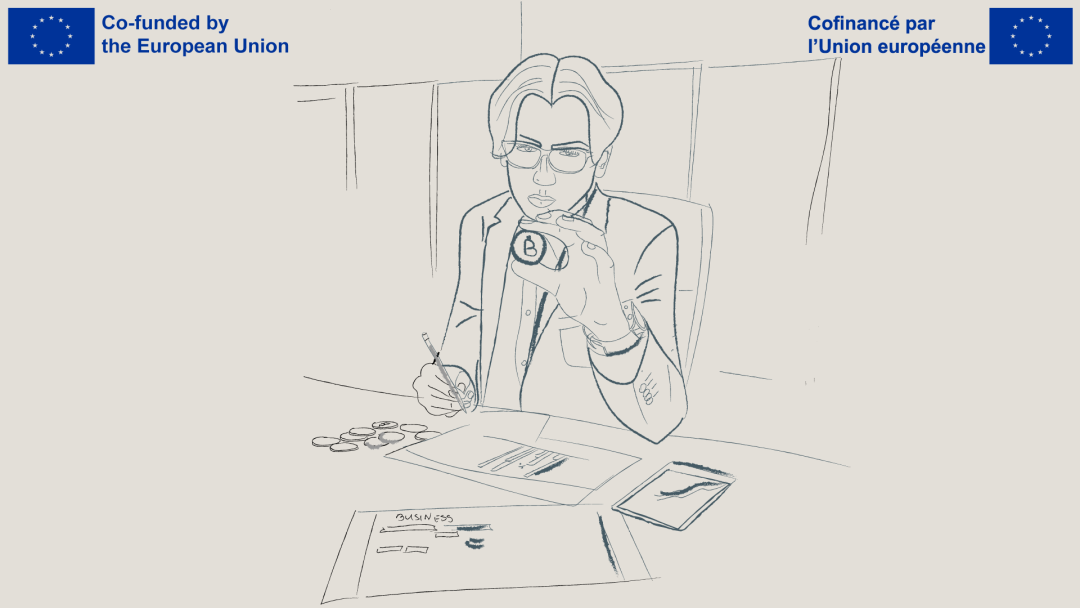
Many educators genuinely believe they treat all students equally; I did too! Yet racism in education is rarely expressed through overt hostility today. Instead, it appears in subtle differences in trust and second chances. If we refuse to see colour, might we also miss seeing how race continues to shape educational experiences? The question that made me reflect. Whenever I would rant about a difficult interaction with a student outside of work, one question would stop me like a concrete wall: “Is the kid Black?” The question itself shocked me.
Over time, however, what troubled me most was how often my answer was "yes." Why did these students make it to my rants: Bias? Systemic? The more I reflected, the less certain I became. Which brings me to Luxembourg’s colour-blind self-image. Our small country is the most cosmopolitan country in the EU, bringing together around 180 nationalities. Schools strongly promote equality and anti-discrimination, and overt racism is widely condemned. Yet the absence of overt racism does not mean racial dynamics have disappeared. We pride ourselves on “not seeing colour”, but what if refusing to see colour means refusing to see inequalities and the invisible racism that shapes them?
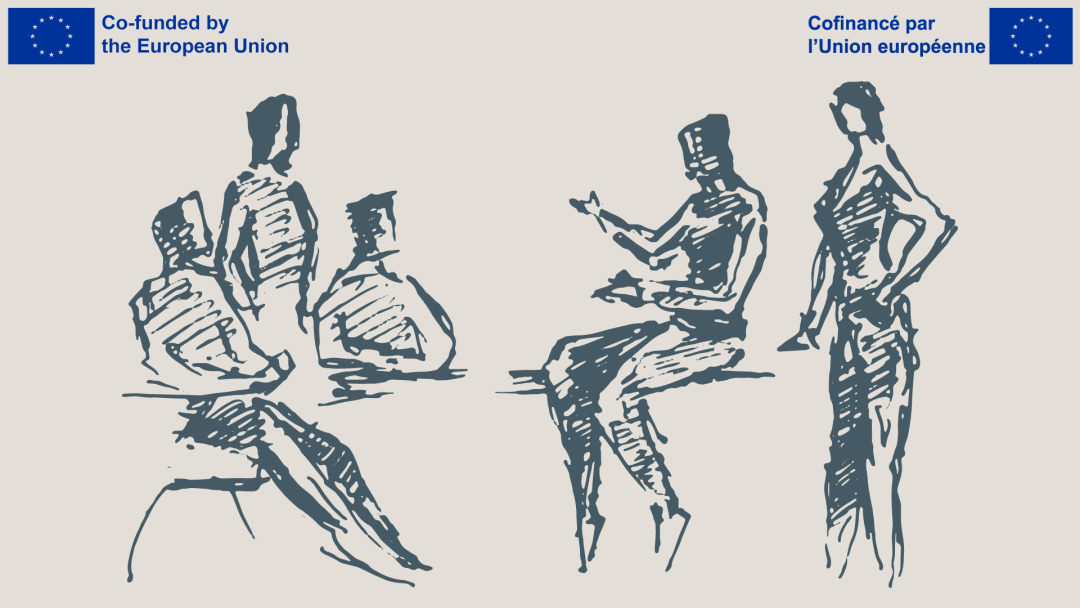
Then who gets the benefit of the doubt? Consider these common situations: a student forgets his/her homework; did they have a difficult day or are they just irresponsible? A student talks back; are they frustrated or simply disrespectful? A student struggles to focus; are they facing challenges, or are they just lazy? What if our unconscious assumptions influence which explanation feels more believable? What if, despite our best intentions, some students receive more trust, and second chances than others? What I do know is that among those who gave me headaches, I often forgot the hundreds who did not. I mean the hardworking, those focused students faded into the background because they never demanded my attention. |


The content of terrampacis.org domain is controlled and managed by TERRAM PACIS based at Edvard Storms gate 2, 0166 Oslo. We value your privacy and the privacy of the information we collect from you when using our websites.
This privacy notice was updated on 10.02.2026. Therefore, if you decide to use our websites and the provided services, it implies that you agreed with this privacy notice. Otherwise, please do not use our websites and the provided services.
When we make new amendments to this privacy notice, the amended notice is posted hereon. Therefore, the continued use of our websites and provided services, implies that you agreed with the new amendments.
We particularly collect information from and about you when you: make a donation, register an account or register as a partner, and when you subscribe to our newsletter. To delete your own data, please go to Delete my account or unsubscribe from our newsletter.
We use cookies on this website. It is a piece of data stored on your hard drive to help us improve your access and your use of our websites' services. If you do not accept this, please do not use our websites and the provided services.
We use reasonable and up to date security methods to protect all the data we collect from you and held by us. However, on the Internet, we cannot guarantee information's absolute security.
Where reasonable we challenge any legal processes seeking access to any data collected from you and held by us. Though in some cases, we may be unable to resist such legal proceedings. In such events, you will immediately be notified.
This privacy notice outlines our information processing practices in relation to you and your personal data and applies when we collect and process personal data from you through our websites or mobile applications. As a user, you have the absolute rights on your personal data and you are free to ask us to update or delete your personal data at any time via info@terrampacis.org.
 Published on 19.08.2026 at 12:50