







|
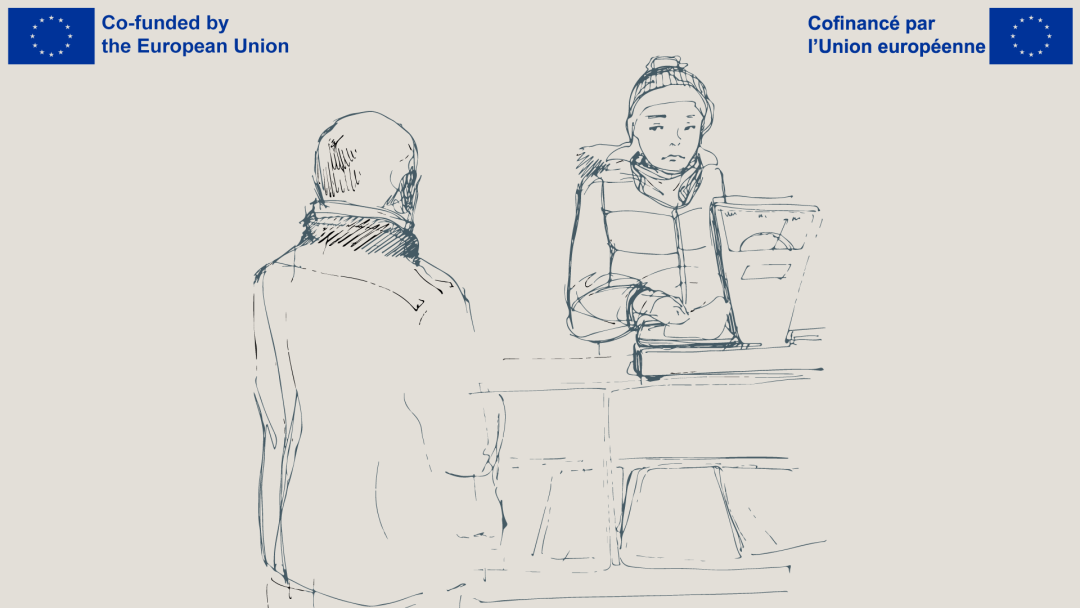
For a long time, I believed the problem was my reaction, rather than what had happened. As a young Black woman growing up in Europe, I became used to comments about my body, hair and skin being presented as harmless curiosity or even compliments. Strangers felt entitled to ask personal questions. Some reached towards my hair before I had time to move away. At school and later at work, my confidence was often read as attitude, and silence was mistaken for approval. What stayed with me most though was not only the comments themselves, but how people reacted when I tried to call them out.
I was told that I was too sensitive, that I had misunderstood, or that I should take it as a joke. After hearing this often enough, I began to measure every discomfort against White people’s own comfort. I rehearsed softer answers. I smiled when I wanted to leave. I questioned myself before I questioned the situation. Gendered racism can be difficult to explain because it rarely arrives as one clear incident. It is often made of smaller moments that accumulate, like being judged and expected to remain calm while feeling disrespected, or treated as too visible but not fully seen. I did always not have the language for it. I was never exposed to anti-racism education to unlearn racially prejudiced narratives and build the vocabulary for contextualising systemic racism.
It just made me feel tired. And there was no single moment when everything changed. I still catch myself wondering whether I should have stayed quieter or chosen different words. But I now understand that self-doubt was part of what racism taught me. Recognising that does not erase the harm, but it stops me from carrying all of it as personal failures. I am still learning how to take up space without apologising for it. Some days that feel possible; other days it does not. What matters is that I no longer call every wound my fault. I can now name the patterns and naming them is where confronting racism begins. |


The content of terrampacis.org domain is controlled and managed by TERRAM PACIS based at Edvard Storms gate 2, 0166 Oslo. We value your privacy and the privacy of the information we collect from you when using our websites.
This privacy notice was updated on 10.02.2026. Therefore, if you decide to use our websites and the provided services, it implies that you agreed with this privacy notice. Otherwise, please do not use our websites and the provided services.
When we make new amendments to this privacy notice, the amended notice is posted hereon. Therefore, the continued use of our websites and provided services, implies that you agreed with the new amendments.
We particularly collect information from and about you when you: make a donation, register an account or register as a partner, and when you subscribe to our newsletter. To delete your own data, please go to Delete my account or unsubscribe from our newsletter.
We use cookies on this website. It is a piece of data stored on your hard drive to help us improve your access and your use of our websites' services. If you do not accept this, please do not use our websites and the provided services.
We use reasonable and up to date security methods to protect all the data we collect from you and held by us. However, on the Internet, we cannot guarantee information's absolute security.
Where reasonable we challenge any legal processes seeking access to any data collected from you and held by us. Though in some cases, we may be unable to resist such legal proceedings. In such events, you will immediately be notified.
This privacy notice outlines our information processing practices in relation to you and your personal data and applies when we collect and process personal data from you through our websites or mobile applications. As a user, you have the absolute rights on your personal data and you are free to ask us to update or delete your personal data at any time via info@terrampacis.org.

 Published on 29.07.2026 at 13:22