







|
Healing from racial trauma is possible. But yet, with the contemporary state of racial profiling and police brutality as reminders that Black lives do not matter, combined with racial injustice leading to education, housing, employment and health disparities within the Black communities, it can be difficult to maintain hope. Nevertheless, learning new ways of thinking and coping, it is possible to heal and overcome the wounds and pains of racial trauma. The first step is to look inwardly and remove the defenses covering up racial trauma.
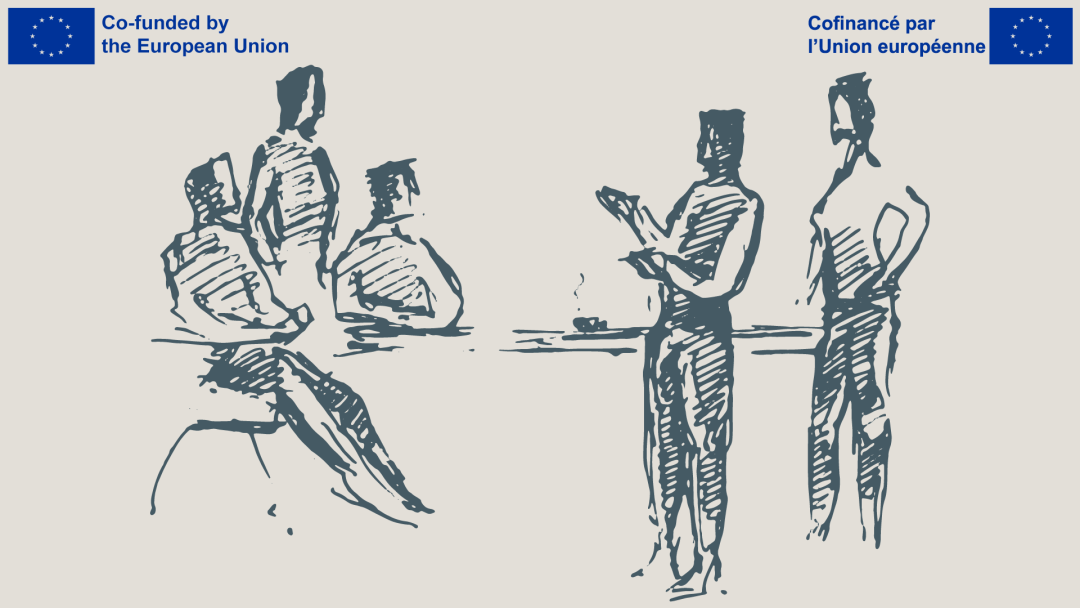
When we experience a physical wound, we may put on a bandage so that the wound is not visible to others. Similarly, one covers up hurt of racial trauma to make it less visible or less detectable. These coverups often take the form of internalising emotions, suppressing feelings or isolating oneself from sources of racial trauma. After acknowledging the negative ways of coping with racial trauma, next steps include processing and expressing emotions and feelings and learning to cope using positive strategies, such as journaling, mindfulness, performance art to connect with social supports and undo the effects of racial trauma. It can feel like sorting through a mess in a closet. Items in the closet represent the memories and the experiences one has from racial trauma.
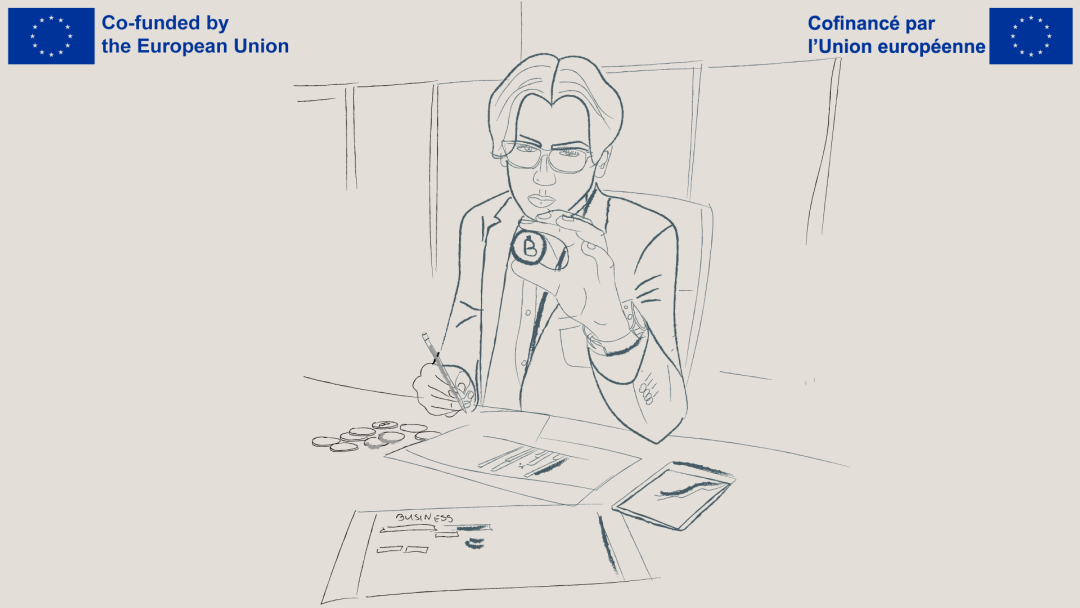
These experiences might include being the target of racial slur; racial profiling; attacks on self-worth; limited access to employment, education, healthcare, or housing; witnessing police brutality. Every time one experiences a new incident one folds it, throws it into the closet and eventually the closet is packed tight with memories of hurt. Healing from racial trauma entails slowly unpacking the closet, examining the things that one wants to keep and the things one wants to get rid of: (a). Examining the experiences with racism and racial trauma, (b). Exploring the psychological effect of trauma, (c). Identifying personal triggers, (d). Increasing cognitive and behavioural strategies for coping and healing. |


The content of terrampacis.org domain is controlled and managed by TERRAM PACIS based at Edvard Storms gate 2, 0166 Oslo. We value your privacy and the privacy of the information we collect from you when using our websites.
This privacy notice was updated on 10.02.2026. Therefore, if you decide to use our websites and the provided services, it implies that you agreed with this privacy notice. Otherwise, please do not use our websites and the provided services.
When we make new amendments to this privacy notice, the amended notice is posted hereon. Therefore, the continued use of our websites and provided services, implies that you agreed with the new amendments.
We particularly collect information from and about you when you: make a donation, register an account or register as a partner, and when you subscribe to our newsletter. To delete your own data, please go to Delete my account or unsubscribe from our newsletter.
We use cookies on this website. It is a piece of data stored on your hard drive to help us improve your access and your use of our websites' services. If you do not accept this, please do not use our websites and the provided services.
We use reasonable and up to date security methods to protect all the data we collect from you and held by us. However, on the Internet, we cannot guarantee information's absolute security.
Where reasonable we challenge any legal processes seeking access to any data collected from you and held by us. Though in some cases, we may be unable to resist such legal proceedings. In such events, you will immediately be notified.
This privacy notice outlines our information processing practices in relation to you and your personal data and applies when we collect and process personal data from you through our websites or mobile applications. As a user, you have the absolute rights on your personal data and you are free to ask us to update or delete your personal data at any time via info@terrampacis.org.

 Published on 23.03.2026 at 16:50