







|
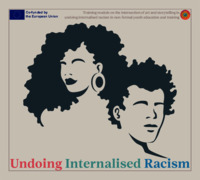
When we imagine a world of peace, we often imagine a world without war or violent conflicts. However, peace is more than just the absence of war. The disruption of peace is often found in the small acts of everyday life. It is not always loud or visible; it is reflected in the silent battles that many of us fight every day. Countless individuals go through life feeling as though they do not belong, reminding us that we still don't comprehend the meaning of peaceful coexistence. As long as discrimination, injustice and intergenerational trauma continue to divide us, we cannot honestly call our society peaceful.
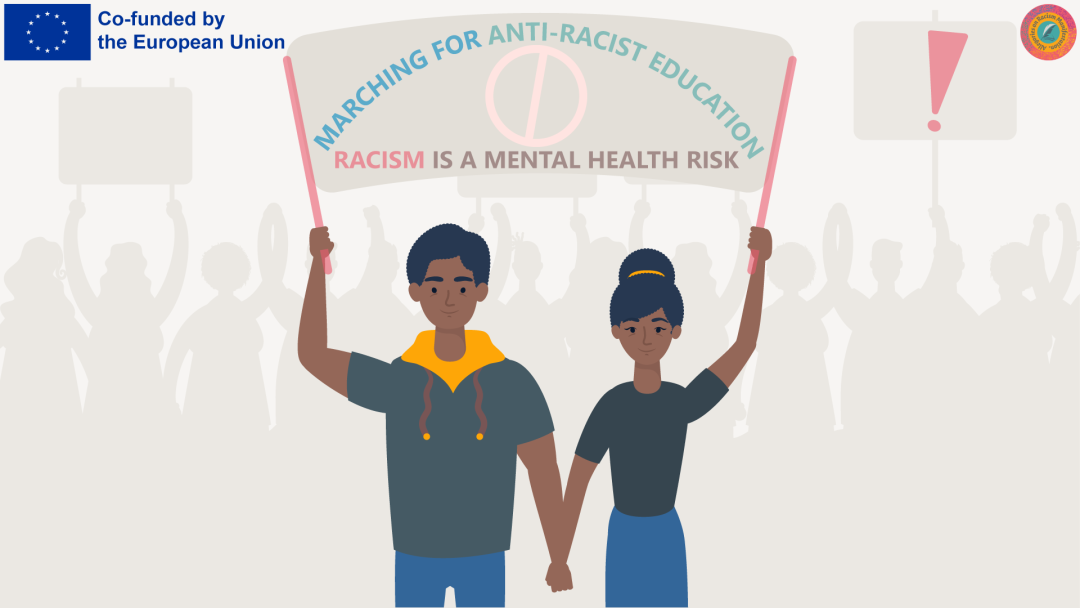
Without healing, it is difficult to find peace. Society teaches us to remember history, yet we are rarely taught how to heal from the wounds it leaves behind. We learn to judge ourselves and others based on colour of our skin because one has been portrayed as better than another. Justice is a cornerstone of peace because people coexist peacefully when they feel respected, valued, and treated equally. Yet many people continue to experience unequal access to education, housing, healthcare and employment because of hateful narratives stemming from xenophobia. So, peace cannot exist without cultural diversity, resilience to hate speech and equal rights and opportunities for all.
Education for peace programme promotes peacebuilding and reconciliation; media and information literacy; prevention of radicalisation and extremism by encouraging honest dialogue, cultural diversity, resilience to hate speech and mutual understanding. A peaceful society cannot be built on unresolved pain. Hence, peace education is an essential tool for challenging harmful beliefs and breaking down the barriers that divide communities. By nurturing a culture of peace from a young age, we create communities where diversity is celebrated, differences are respected, and conflicts are resolved through dialogue rather than violence. A peaceful world is built through the daily choices we make. |


The content of terrampacis.org domain is controlled and managed by TERRAM PACIS based at Edvard Storms gate 2, 0166 Oslo. We value your privacy and the privacy of the information we collect from you when using our websites.
This privacy notice was updated on 10.02.2026. Therefore, if you decide to use our websites and the provided services, it implies that you agreed with this privacy notice. Otherwise, please do not use our websites and the provided services.
When we make new amendments to this privacy notice, the amended notice is posted hereon. Therefore, the continued use of our websites and provided services, implies that you agreed with the new amendments.
We particularly collect information from and about you when you: make a donation, register an account or register as a partner, and when you subscribe to our newsletter. To delete your own data, please go to Delete my account or unsubscribe from our newsletter.
We use cookies on this website. It is a piece of data stored on your hard drive to help us improve your access and your use of our websites' services. If you do not accept this, please do not use our websites and the provided services.
We use reasonable and up to date security methods to protect all the data we collect from you and held by us. However, on the Internet, we cannot guarantee information's absolute security.
Where reasonable we challenge any legal processes seeking access to any data collected from you and held by us. Though in some cases, we may be unable to resist such legal proceedings. In such events, you will immediately be notified.
This privacy notice outlines our information processing practices in relation to you and your personal data and applies when we collect and process personal data from you through our websites or mobile applications. As a user, you have the absolute rights on your personal data and you are free to ask us to update or delete your personal data at any time via info@terrampacis.org.
 Published on 22.07.2026 at 14:17